

Snow Leopard Trek in Nepal

Curated by Mountain Travel Nepal
Max. Altitude
Max. AltitudeApprox. 4,000–4,500m
Duration
Duration14 Nights / 15 Days
Season
SeasonJan – Feb (peak), Mar – Apr
Difficulty
DifficultyModerate – Strenuous
Location
LocationAnnapurna, Nepal
Activity
ActivityWildlife Tracking, Trekking

The Snow Leopard Trek in Annapurna spans 15 days, focusing on wildlife tracking in the Manang region. Ideal from January to April, this trek offers opportunities to spot snow leopards and their prey.

  • Duration: 15 days of trekking
  • Best months: January to April for snow leopard sightings
  • Max altitude: Approximately 4,000 – 4,500 meters
  • Daily trekking hours: 4 – 6 hours
  • Accommodation: Teahouses along the route
  • Primary tracking zones: Manang, Yak Kharka, and Ledar
  • Guided by licensed wildlife naturalists
  • Group size: Limited to 2 – 6 guests

Overview

This 15-day wildlife trek tracks the snow leopard (Panthera uncia) in the trans-Himalayan Manang valley of Nepal's Annapurna Conservation Area. After the drive from Kathmandu to Besisahar and Bhratang, you trek via Upper Pisang to Manang at about 3,500m, the base for five full tracking days. With licensed guides and wildlife naturalists you scan cliffs through spotting scopes, follow blue sheep herds to the cats' hunting grounds and search known territories around Manang, Yak Kharka and Ledar. Nights are spent in teahouses and lodges, and part of the trip supports local trackers and snow leopard monitoring in Manang's mountain communities. The valley lies beneath Annapurna II, Gangapurna and Tilicho Peak, within the Manaslu–Annapurna landscape where Nepal's 2025 national survey counted 34 snow leopards. January and February give the best odds, as snow pushes the leopards and their prey down to 3,500–4,200m; March and April bring clearer skies and breeding-season calls. Groups of 2–6 walk 4–6 hours a day on a moderate to strenuous route reaching about 4,000–4,500m, and sightings are never guaranteed.

Trip Highlights

  • Prime Sighting Zones: Focus on Manang, Yak Kharka and Ledar, widely regarded as the best snow leopard territory on the Annapurna circuit
  • Expert Naturalist Guides: Travel with trackers who can spot a "Ghost Cat" camouflaged against a cliff from miles away
  • Blue Sheep Tracking: Follow the herds of bharal (blue sheep), the snow leopard's primary prey, to find the predator's hunting grounds
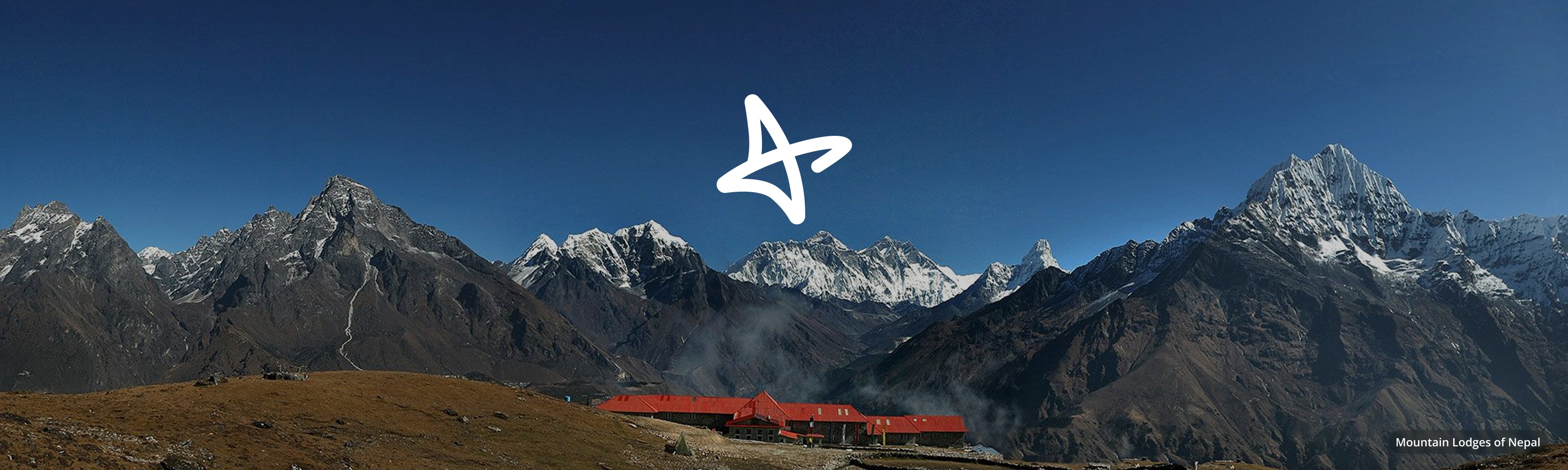
  • Breathtaking Scenery: Trek under the shadows of Annapurna II, Gangapurna and Tilicho Peak, and experience the local culture and lifestyle of Manang
  • Delicious Himalayan Cuisine: Curated Himalayan cuisine with enhanced menus
  • Wildlife at Your Own Pace: Personalized pacing and flexible itineraries

Your Guide for the Trip

You travel with a licensed wildlife trekking guide with high-altitude experience, supported by trained snow leopard trackers and naturalists who know where the cats and their blue sheep prey move around Manang. Under 2026 Nepal trekking regulations every foreign trekker must be accompanied by a licensed guide, and Mountain Travel Nepal provides some of the region's top wildlife specialists. The team carries comprehensive first-aid kits, follows emergency protocols and uses satellite communication in remote areas. Your safety and ethical wildlife viewing are the top priorities.

Itinerary

Day 1: Arrival in Kathmandu

Kathmandu

AccommodationHotel in Kathmandu
MealsBreakfast (as applicable on arrival day)
  • Arrive at Tribhuvan International Airport and transfer to your hotel.
  • Rest and settle in after the international flight.

Day 2: Kathmandu to Besisahar

Kathmandu - Besisahar

AccommodationLodge in Besisahar
MealsBreakfast · Lunch · Dinner
  • Drive from Kathmandu to Besisahar (about 6 hours).
  • Overnight in Besisahar before continuing into the Annapurna foothills.

Day 3: Besisahar to Bhratang

Besisahar - Bhratang

AccommodationLodge in Bhratang
MealsBreakfast · Lunch · Dinner
  • Continue by road from Besisahar to Bhratang (about 4 hours).
  • Evening briefing ahead of the trek start.

Day 4: Trek Bhratang to Upper Pisang

Bhratang - Upper Pisang

AccommodationTeahouse / lodge in Upper Pisang
MealsBreakfast · Lunch · Dinner
  • Begin trekking from Bhratang to Upper Pisang (about 4–5 hours).
  • Enter the high valley scenery of the Annapurna circuit approach.

Day 5: Trek Upper Pisang to Manang

Upper Pisang - Manang

AccommodationTeahouse / lodge in Manang
MealsBreakfast · Lunch · Dinner
  • Trek from Upper Pisang to Manang (about 5–6 hours).
  • Arrive in the Manang valley — primary snow leopard tracking base.

Day 6: Rest day in Manang

Manang

AccommodationTeahouse / lodge in Manang
MealsBreakfast · Lunch · Dinner
  • Acclimatization and rest day in Manang.
  • Optional short walks; briefing with wildlife trackers and naturalists.

Day 7: Snow leopard tracking around Manang

Manang

AccommodationTeahouse / lodge in Manang
MealsBreakfast · Lunch · Dinner
  • Full day tracking with wildlife nature guides around Manang.
  • Focus on blue sheep herds and known leopard territories.

Day 8: Snow leopard tracking around Manang

Manang

AccommodationTeahouse / lodge in Manang
MealsBreakfast · Lunch · Dinner
  • Continue tracking days in the Manang / Yak Kharka / Ledar zone.
  • Patience and optics: spotting scopes and binoculars support sightings.

Day 9: Snow leopard tracking around Manang

Manang

AccommodationTeahouse / lodge in Manang
MealsBreakfast · Lunch · Dinner
  • Further wildlife tracking and photography opportunities.
  • Flexible pacing based on animal movement and weather.

Day 10: Snow leopard tracking around Manang

Manang

AccommodationTeahouse / lodge in Manang
MealsBreakfast · Lunch · Dinner
  • Continued tracking in prime Annapurna snow leopard habitat.
  • Ethical viewing distances and conservation-minded field practice.

Day 11: Snow leopard tracking around Manang

Manang

AccommodationTeahouse / lodge in Manang
MealsBreakfast · Lunch · Dinner
  • Final dedicated tracking day around Manang.
  • Wrap field notes and prepare for the return journey.

Day 12: Drive Manang to Besisahar

Manang - Besisahar

AccommodationLodge in Besisahar
MealsBreakfast · Lunch · Dinner
  • Drive back from Manang to Besisahar (about 5 hours).
  • Descend from the high valley toward the mid-hills.

Day 13: Drive Besisahar to Kathmandu

Besisahar - Kathmandu

AccommodationHotel in Kathmandu
MealsBreakfast · Lunch · Dinner
  • Drive from Besisahar to Kathmandu (about 6 hours).
  • Return to the capital and check in to your hotel.

Day 14: Free day in Kathmandu

Kathmandu

AccommodationHotel in Kathmandu
MealsBreakfast
  • Free day with optional city cultural heritage tour.
  • Time for rest, shopping, or additional sightseeing.

Day 15: Departure from Kathmandu

Kathmandu

MealsBreakfast (as applicable)
  • Transfer to the airport for your departure flight.
  • End of services.

Trip Map

Includes

  • Airport pick-up and drop-offs
  • All private transportation Kathmandu – Besisahar – Manang – Kathmandu
  • 3 nights hotel accommodation in Kathmandu with breakfast
  • 11 nights lodge/teahouse accommodation during the trek
  • Three meals per day (breakfast, lunch, dinner) with hot tea/coffee
  • Insurance for Nepalese staff (guide, porter, and driver)
  • Annapurna Conservation Area permit and TIMS card fee
  • All necessary permits
  • Experienced English-speaking, government-licensed guide and all guide expenses (transfer, insurance, salary, meals, accommodation)
  • One wildlife nature guide's allowance and all their trek expenses (transfer, insurance, salary, meals, accommodation)
  • Support porter for baggage as per group size (1 porter : 2 clients)
  • All snow leopard tracking activity expenses
  • All program elements as listed in the itinerary
  • Emergency medical kits
  • Welcome or farewell cultural dinner in Kathmandu

Excludes

  • Travel insurance covering emergency rescue and medical treatment
  • Insurance covering medical, emergency evacuation, loss, etc.
  • Beverages, alcoholic drinks, mineral water, and extra boiled water
  • Personal gear and expenses (Wi-Fi, hot shower, telephone, battery charging)
  • Extra days outside the itinerary due to unforeseen circumstances
  • Tips and gratuities for trek guides, wildlife guide, and porters

Equipment Checklist

  • 10x42 binoculars (spotting scopes are provided)
  • Camera with a 400mm or longer lens for wildlife photography
  • Insulated down jacket rated for −15°C nights
  • Thermal base layers, fleece mid-layer and windproof, waterproof shell
  • Warm hat, neck gaiter, liner gloves and insulated outer gloves
  • Broken-in waterproof trekking boots with warm wool socks
  • Four-season sleeping bag (rated to about −15°C)
  • UV-protection sunglasses, high-SPF sunscreen and lip balm
  • Headlamp with spare batteries (cold drains batteries fast)
  • Trekking poles and gaiters for snowy, uneven trails
  • Insulated water bottle and water purification tablets
  • Personal medications and a small first-aid kit
  • Daypack (25–35L) for long tracking days

Frequently Asked Questions

Snow leopards are wild and elusive; sightings are never guaranteed. The Annapurna trans-Himalayan region is one of Nepal's highest-probability areas, especially in winter when leopards descend to lower elevations.

Best suited for travelers with previous trekking experience or good overall fitness. Student and luxury versions can be paced more conservatively on request.

Winter temperatures can range from about −15°C to 5°C depending on altitude and time of day. Proper cold-weather gear is essential.

Yes. The trek follows ethical wildlife viewing guidelines and directly supports local conservation and community initiatives.

Trekkers need Annapurna Conservation Area (ACAP) and TIMS permits. Mountain Travel Nepal arranges these for you.

January to February is peak season: heavy snow pushes snow leopards and their prey down to 3,500–4,200m, where they are much easier to spot. March to April brings clearer skies and the start of the breeding season, when territorial calls help trackers locate the cats.

Groups are 2–6 people. Spaces are strictly limited to 6 participants to minimize environmental impact and maximize sighting chances.

Expect 4–6 hours a day on rocky, uneven terrain, reaching approx. 4,000–4,500m. The itinerary includes a rest day in Manang, and packages include oxygen saturation monitoring and experienced high-altitude medics.

Yes. Under 2026 Nepal trekking regulations all foreign trekkers must be accompanied by a licensed guide. This trek includes a government-licensed, English-speaking guide and a wildlife nature guide.

Spotting scopes are provided. Bring 10x42 binoculars, and a 400mm or longer lens if you want to photograph the cats.

A deposit of US$200 per person secures your booking, with the balance paid before you arrive in Nepal. Written cancellations more than 60 days before departure lose the deposit only; 31–60 days, 50% of the package price; 15–30 days, 75%; less than 15 days, 100%.

You stay in hotels in Kathmandu and in mountain lodges and teahouses on the trek. Meals are freshly cooked, high-energy Himalayan food; vegetarian and special diets are available on request.

$ 3,035 per person